
Beat the Pennsylvania 2021 IECC Update Deadlines
 by Enrico Bonilauri - April 19, 2026
 No comments
The construction landscape across Pennsylvania is undergoing a massive shift. As of January 1, 2026, the entire state officially adopted the 2021 International Energy Conservation Code (IECC). However, project teams are currently operating in a temporary grace period. That leniency ends very soon.
The hard cutoff is fast approaching. All new construction and applicable retrofit projects must fully comply with the new code by the summer. If you work in the AEC industry, you need a reliable strategy to meet these strict new standards without destroying your project budgets.
Trying to barely scrape by the new energy codes is a risky and stressful game. Fortunately, there is a better way to design and build. By adopting Passive House principles, you can easily bypass the headaches of baseline compliance and deliver superior, future-proof buildings. Let us break down exactly what these changes mean for your projects and how you can prepare.
Understanding the Statewide 2021 IECC Update
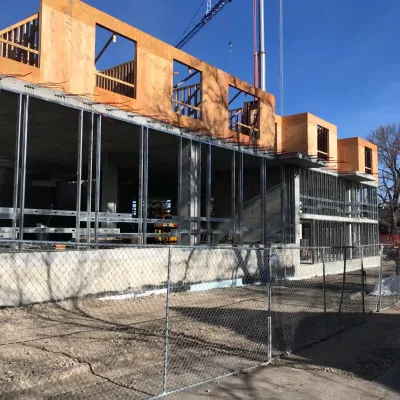
The state of Pennsylvania recognized the urgent need for better building performance. The statewide 2021 IECC update brings significant improvements to building envelope requirements, mechanical systems, and overall energy efficiency.
However, the state opted to adopt an amended version of the code. This means the baseline 2021 IECC requirements across most of Pennsylvania are slightly less stringent than the unamended standard. Even with these state-level amendments, builders must prepare for a significant leap in performance expectations.
| Component | Previous (2018 PA UCC) | 2021 Update (State-wide) | Key Status / Change |
|---|---|---|---|
| Fenestration (CZ 4) | 0.32 U-factor | 0.30 U-factor | Stricter |
| Fenestration (CZ 5) | 0.30 U-factor | 0.30 U-factor | No Changes |
| Ceiling / Attic | R-49 | R-49 | PA Amendment: Rolled back R-60 to R-49 |
| Wood Frame Wall (CZ 4) | R-20 or R-13+5ci | R-20 or R-13+5ci | PA Amendment: Rolled back 2021 increase |
| Wood Frame Wall (CZ 5) | R-20 or R-13+5ci | R-23 or R-13+7.5ci | Increased requirement |
| Floor Insulation (CZ 4) | R-19 | R-19 | No Changes |
| Floor Insulation (CZ 5) | R-30 | R-30 | No Changes |
| Slab R-Value / Depth | R-10, 2 ft | R-10, 4 ft (CZ 5) | Depth doubled in CZ 5 |
| Airtightness (ACH50) | 3.0 ACH | 3.0 ACH | Testing Required |
Table 1: 2021 IECC requirements as amended in the Pennsylvania adoption.
You must pay close attention to the Pennsylvania 2026 R-value requirements. The new rules demand better insulation across the board, from continuous exterior insulation on walls to heavily insulated roof decks. The PA R-value 2026 update forces project teams to rethink their standard wall assemblies. You can no longer rely on outdated practices like stuffing fiberglass batts into wood framing without addressing thermal bridging.
The clock is ticking for everyone in the state. The July 1 IECC Pennsylvania deadline serves as the absolute final day to submit permits under the old codes. After that date, your designs must meet the new structural and thermal demands.
The Stricter Philadelphia 2026 Energy Code
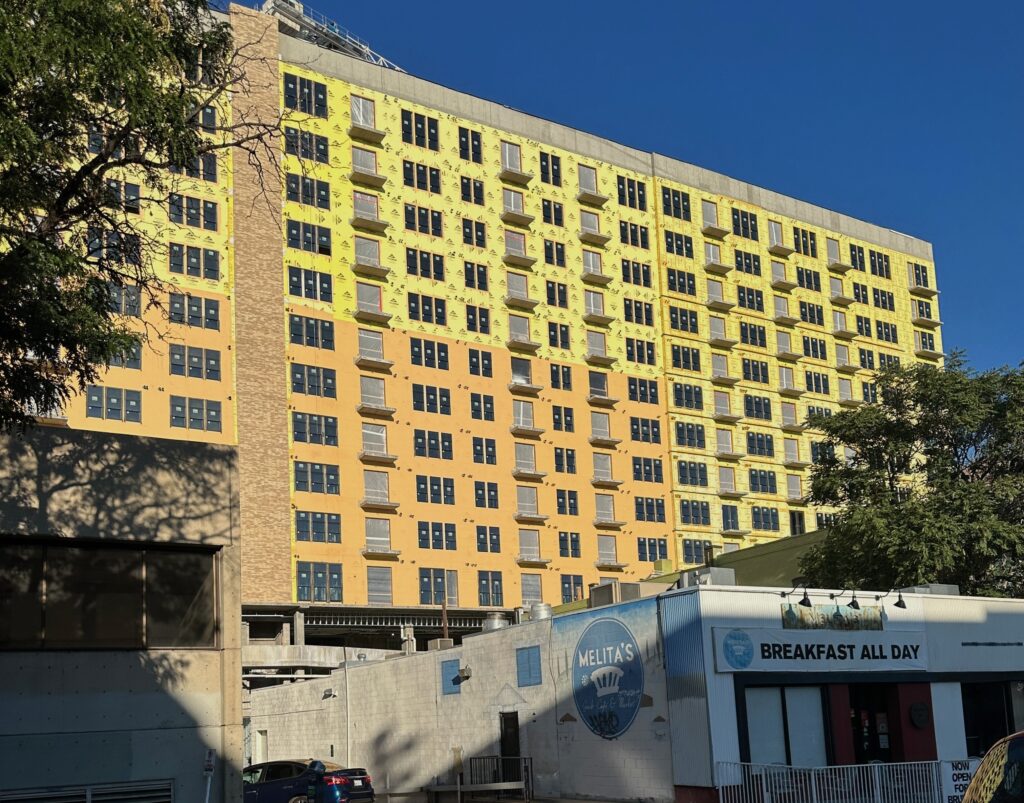
While the state adopted an amended version of the code, the city of Philadelphia decided to push the envelope further. The city is adopting the full, unamended IECC update. This means Philadelphia now enforces a much stricter energy code than the rest of the surrounding state.
The city officially communicated this regulatory shift through the Philadelphia L&I Bulletin B-2501. This document outlines the exact compliance pathways and timelines for developers and architects operating within city limits. If you manage projects in the city, reading the Philly L&I Bulletin B-2501 is absolutely mandatory.
| Component | Old Code (2018 IECC) | New Code (2021 IECC) | Impact |
|---|---|---|---|
| Ceiling / Attic | R-49 | R-60 | Requires deeper truss heels |
| Wood Frame Wall | R-20 or R-13 + 5ci | R-20 + 5ci or R-13 + 10ci | Continuous insulation is now mandatory |
| Floor (over unconditioned) | R-19 | R-30 | Significant increase in floor depth |
| Slab-on-Grade (R-Value) | R-10 | R-10 | No Changes |
| Slab-on-Grade (Depth) | 2 Feet | 4 Feet | Doubled insulation depth |
| Basement / Crawlspace | R-10ci or R-13 | R-15ci or R-19 | Stricter |
| Windows (U-factor) | 0.32 U-factor | 0.30 U-factor | Stricter |
| Air Leakage (ACH50) | 3.0 ACH | 3.0 ACH | Strict testing protocol enforced |
Table 2: The full 2021 IECC requirements as adopted by the City of Philadelphia.
The Philadelphia 2026 energy code removes the leniency found in the state’s amended version. It requires significantly more rigorous air sealing validation, stricter thermal bridge mitigation, and window performance. These Philly 2026 energy changes will fundamentally alter how multi-family and commercial buildings are designed in the city.
Just like the rest of the state, city officials are enforcing a strict transition period. The July 1 IECC Philadelphia deadline marks the end of the road for the 2018 codes. If your permit applications are not submitted before this date, you will be subject to the full weight of the unamended 2021 IECC.
The Problem with Chasing Code Minimums
Whenever new building codes drop, the industry usually scrambles to find the cheapest, easiest way to barely pass. We see project teams agonizing over energy models, tweaking insulation values by fractions of an inch, and hoping their blower door tests pass on the final day of construction.
This approach creates immense stress. When you design to the absolute floor of the 2021 IECC requirements, you leave zero room for error. A single missed detail during construction—like a poorly taped window flashing or an unmitigated steel beam cutting through your insulation—can cause a failed inspection.
Failing an inspection under the Philadelphia 2026 energy code is disastrous. Ripping open finished walls to find an air leak or add insulation destroys your profit margins and ruins your project schedule. You need a reliable, predictable way to handle these updates.
Passive House: Your Ultimate Compliance Strategy
A clear, stress-free solution to these stringent new requirements is the adoption of Passive House principles. Passive House represents the most advanced set of voluntary building standards in the world. Instead of teaching you how to barely pass a code inspection, Passive House teaches you how to master the building thermal envelope.
When you train your team in Passive House methodology, the 2021 IECC update stops looking like a hurdle and starts looking like a baseline you already exceed. Here is how Passive House principles solve your biggest code compliance headaches:
Mastering Effective R-Values and Thermal Bridging
The PA R-value 2026 update pushes designers to account for “effective” R-values. You can no longer pretend that your insulation is a magic, unbroken blanket. You must account for the heat lost through structural framing, balcony slabs, and shelf angles.
A core pillar of Passive House is the avoidance and mitigation of thermal bridges. By the time you submit your permit, you have already solved the complex math required for compliance.
Predictable Air Sealing
The Philly 2026 energy changes place a massive emphasis on verified airtightness. Relying on a single “Hail Mary” blower door test at the end of a project is no longer a viable strategy.
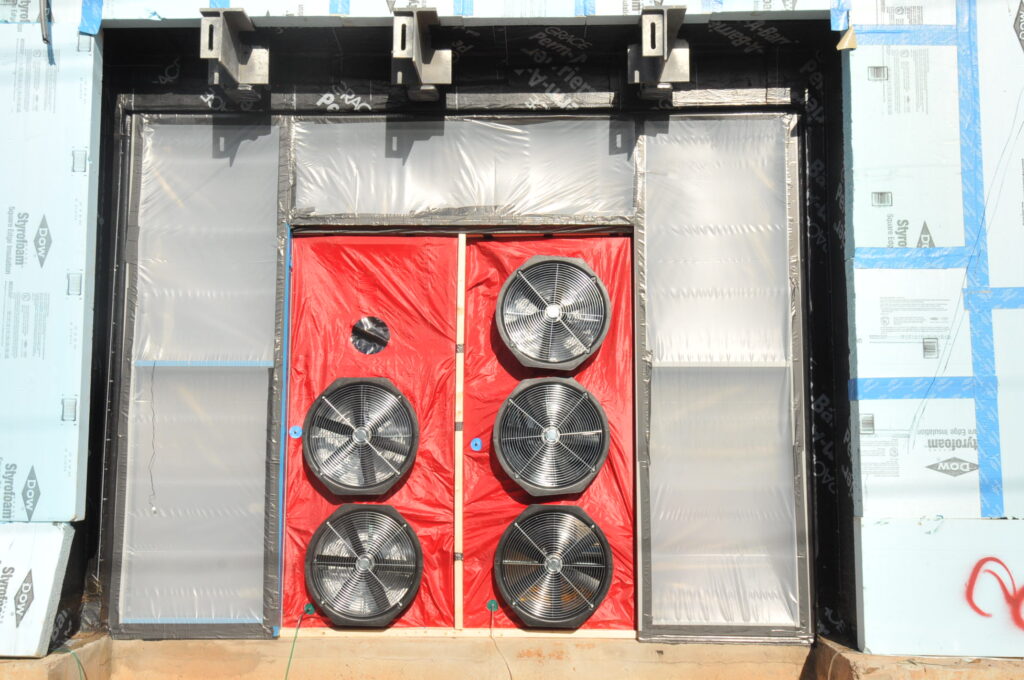
Passive House targets airtightness levels that are roughly three to five times stricter than standard codes. In the Passive House world, staged blower door testing is a standard quality-control tool used while the walls are still open. By the time the city inspector arrives, your building is already a sealed vault.
High-Performance Windows and Doors
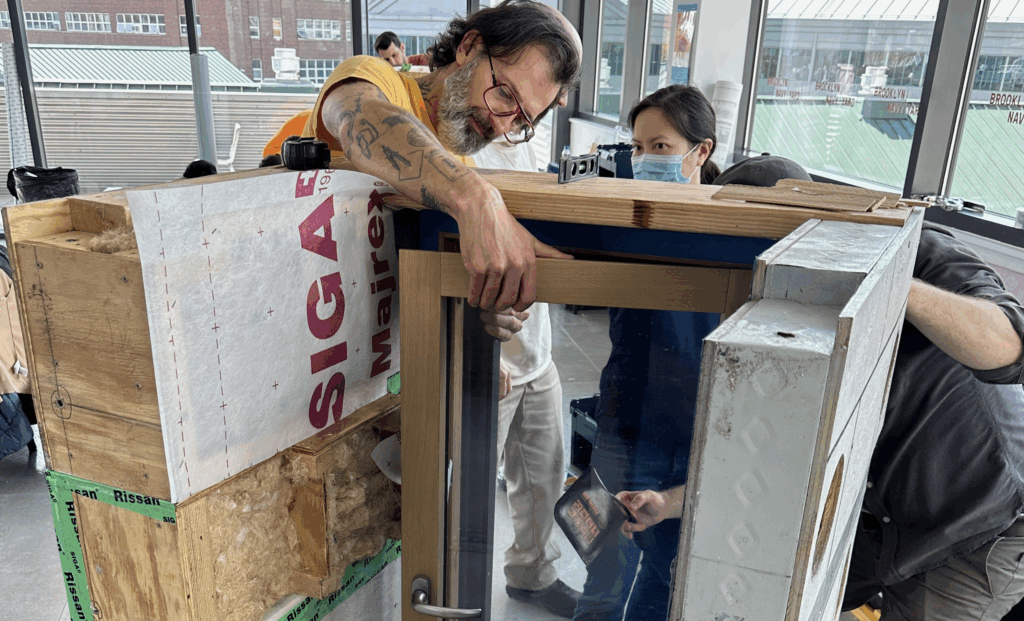
Upgrading to the new Pennsylvania 2026 R-value requirements also means utilizing better fenestration. Passive House standards require you to specify and install high-performance windows and doors that actively contribute to the building’s thermal comfort, rather than acting as massive energy drains.
Future-Proof Your Construction Business
The transition to the new energy code is unavoidable. The July 1 IECC deadline for Pennsylvania and Philadelphia is rapidly approaching.
Professionals who become Passive House-certified easily navigate through the requirements of the 2021 IECC. More importantly, they future-proof their careers. Because Passive House standards sit so far above baseline codes, certified professionals are already prepared for future updates, including the inevitable rollout of the 2024 IECC.
When you adopt Passive House standards, you deliver healthy, comfortable, and incredibly resilient buildings for both new construction and deep energy retrofits. You stop worrying about whether your building will pass inspection and start delivering unmatched value to your clients.
Do not wait until late June to figure out your compliance strategy. Equip your team with the building science knowledge they need to succeed. Explore Emu’s Passive House Boot Camp in Philadelphia, starting June 22, and transform the way you build.
Pennsylvania and Philadelphia 2026 Energy Code Deadline (2021 IECC) – FAQ
What are the 2021 IECC requirements for Pennsylvania?
The 2021 IECC requirements mandate stricter building envelope performance, improved mechanical efficiency, and better air sealing. Pennsylvania adopted an amended version of this code, which elevates the baseline energy efficiency standards for all new construction and retrofits statewide.
How does the 2021 IECC update affect building insulation?
The 2021 IECC update forces builders to use more robust insulation strategies, often requiring continuous exterior insulation and the calculation of effective R-values that account for thermal bridging.
Is the July 1 IECC deadline final throughout Pennsylvania?
July 1 is the hard cutoff for the code transition to the 2021 IECC in Pennsylvania and Philadelphia. All building permit applications submitted on or after July 1, 2026, must comply with the newly adopted 2021 IECC standards.
What is the Philadelphia L&I Bulletin B-2501?
The Philadelphia L&I Bulletin B-2501 (also referred to as Philly L&I Bulletin B-2501) is the official city document outlining the adoption of the unamended 2021 IECC. It explains the permitting timeline and the enforcement of the strict new energy codes within city limits.
How does the Philadelphia 2026 energy code differ from the state code?
The Philadelphia 2026 energy code adopts the full, unamended 2021 IECC, making it stricter than the amended version adopted by the rest of Pennsylvania.
