Building Science Bulletin – September 2026
 by Dilianny Espinoza - September 7, 2026
 No comments
There’s a lot happening across the high-performance building industry this month.
From mold putting construction quality and moisture management under scrutiny, to wildfire smoke testing building resilience, new policies making heat pumps easier to install, and millions in funding moving toward better-performing buildings—here’s what’s happening and what’s worth keeping on your radar.
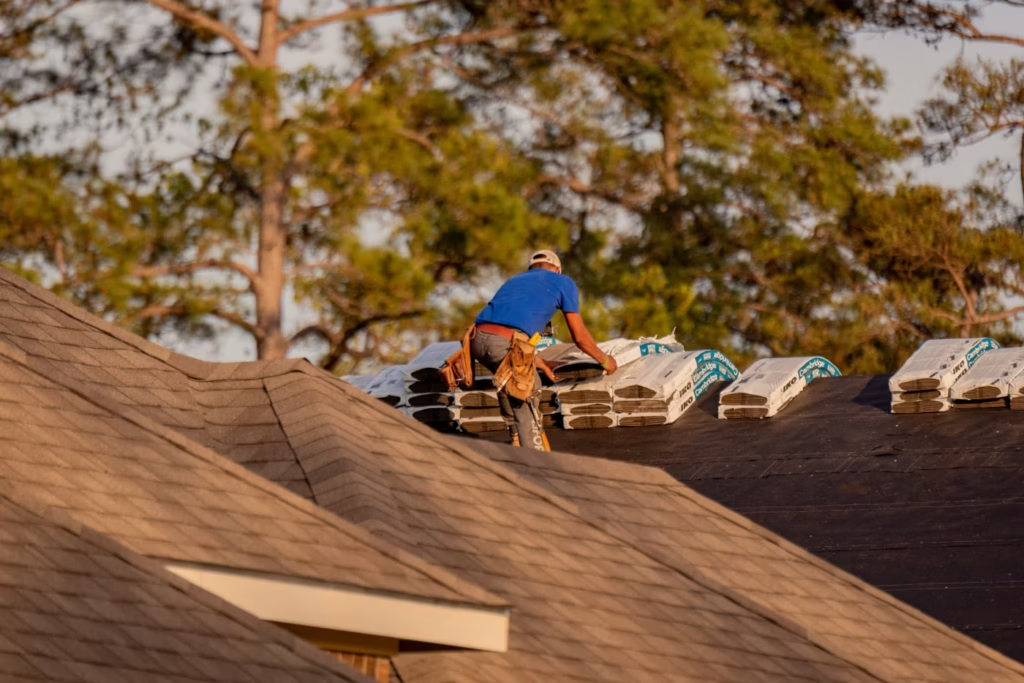
Mold Is Driving America’s Homeowners Crazy—and They Want Builders to Pay by The Wall Street Journal
As homes become tighter and more energy efficient, the margin for moisture-management mistakes gets smaller. What happens when better performance on paper meets poor execution in the field?
Mold-related lawsuits are putting builders and construction quality under scrutiny, with homeowners pointing to moisture problems and costly remediation. The issue highlights an important reality: improving energy efficiency doesn’t automatically create a high-performance building.
A tighter enclosure changes how heat, air, and moisture move through a building. That makes good detailing, ventilation, HVAC design, and moisture management increasingly important. Building science isn’t just about reducing energy use; it’s about understanding how all of these systems interact so that solving one problem doesn’t inadvertently create another.
Read Full Article – The Wall Street Journal
California Zen Center Evacuates Students as Wildfire Smoke Worsens by San Francisco Chronicle
The flames weren’t at the building, but the smoke was enough to make staying there difficult—a reminder that wildfire resilience extends well beyond the fire line.
Tassajara Zen Mountain Center began evacuating students and canceled the remainder of its summer guest season as smoke from the nearby Timber Fire worsened air quality. Although the property was not initially in imminent danger, those remaining were spending more time indoors using air filters and masks.
For buildings in wildfire-prone regions, resilience isn’t only about whether the structure survives direct contact with fire. Airtightness, controlled ventilation, effective filtration, and the ability to maintain healthy indoor conditions during prolonged smoke events can all affect whether a building remains safely occupiable.
Read Full Article – San Francisco Chronicle
NJEDA Updates Clean Energy Programs to Advance New Projects & Drive Down Energy Costs by NJEDA
New Jersey is putting more funding behind building decarbonization, connecting energy upgrades with electrification, renewables, and storage.
Updates to New Jersey’s clean-energy programs include changes to NJ Cool, which provides grants of up to $1 million for 50% of eligible costs for building retrofits that reduce greenhouse gas emissions. Phase 2 will require projects to include heating or cooling system improvements alongside on-site renewable generation or energy storage.
The bigger picture is important for building professionals: performance improvements increasingly sit at the intersection of design, energy costs, resilience, electrification, and available incentives. Understanding how these pieces work together can help project teams identify opportunities that might make deeper building upgrades financially achievable.
Washington Awards More Than $29 Million for Clean Buildings Performance Standard Compliance Projects by Washington State Department of Commerce
Building performance standards are moving from targets to implementation—and Washington is putting significant funding behind helping existing buildings get there.
Washington awarded more than $29 million to projects supporting compliance with the state’s Clean Buildings Performance Standard. The funding reaches projects across the state and supports work intended to improve energy performance in existing buildings.
For the building industry, this reflects a larger shift: measured performance is becoming increasingly connected to regulation, capital planning, and existing-building upgrades. That creates a growing need for professionals who can understand buildings as systems and identify where improvements to enclosures, mechanical systems, controls, and operations can deliver meaningful performance gains.
Read Full Article – Washington State Department of Commerce
Upcoming Industry Events
Aspen Core – FULL CALENDAR HERE

New York Passive House – FULL CALENDAR HERE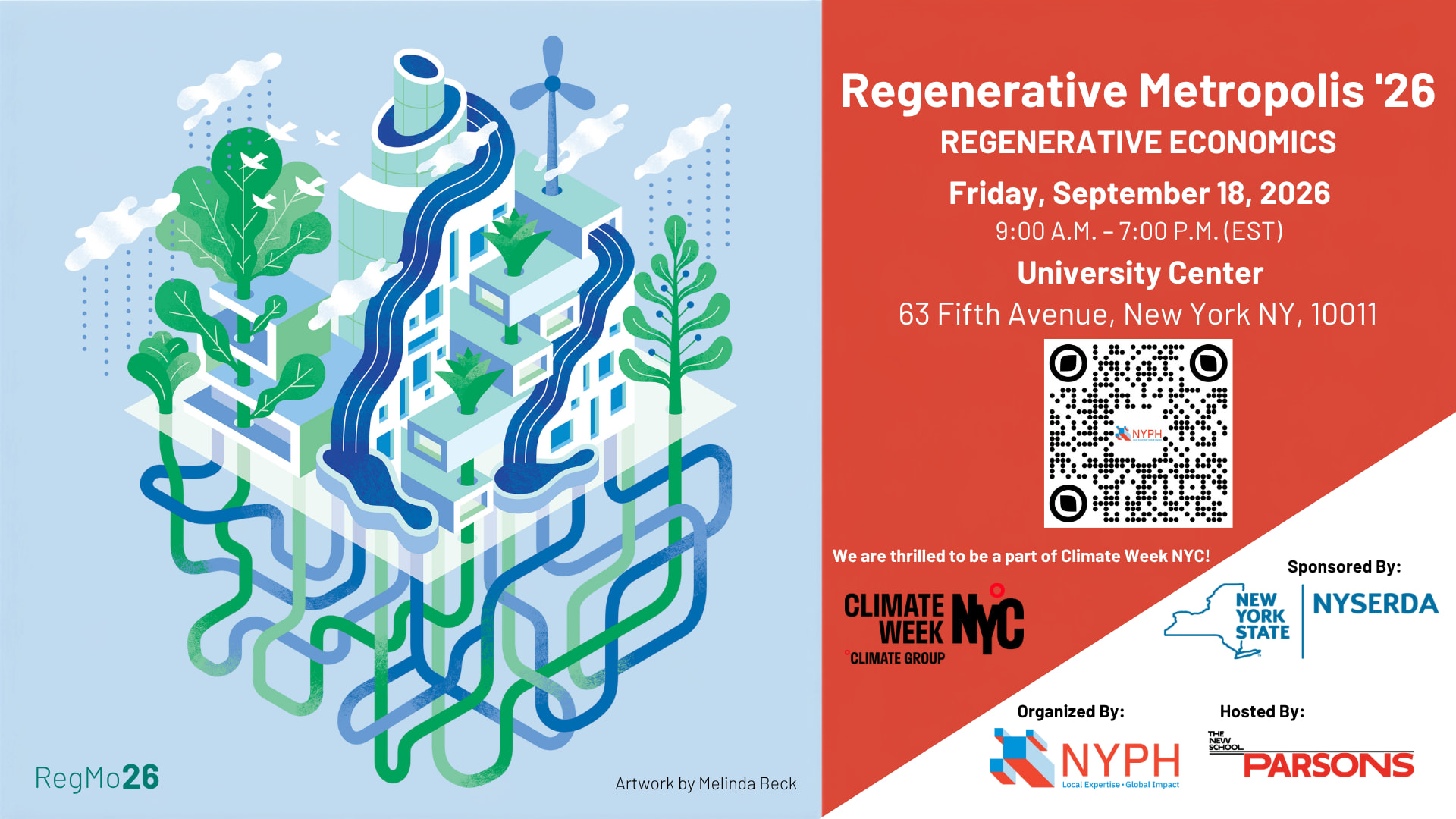
Colorado Green Building Guild – FULL CALENDAR HERE
NESEA – FULL CALENDAR HERE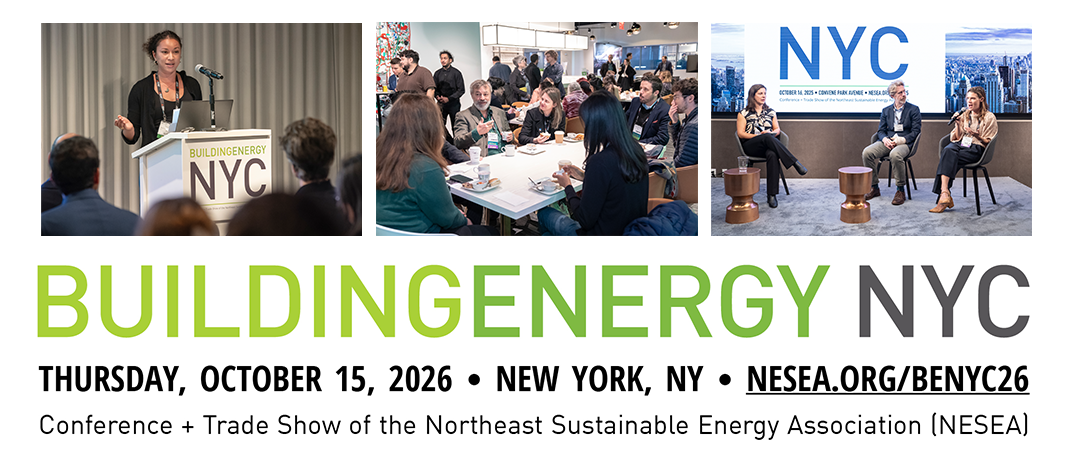
If these stories point to anything, it’s that building performance is becoming harder to separate from the bigger conversations around health, resilience, cost, policy, and risk.
Whether it’s managing moisture correctly, keeping indoor air safe during wildfire smoke, removing barriers to electrification, or improving the performance of existing buildings, building science increasingly shapes how we respond to these challenges.
Keep the conversation going, and we hope to see you at one of the upcoming events. Explore the Emu Full Calendar HERE.
Main Featured Image © JEFF LAUTENBERGER FOR WSJ